The competencies of employees are the cornerstone of an organisation's performance, effectiveness and growth. According to the World Economic Forum's Future of Jobs Report 2025, 39% of workers' core skills are expected to change or become obsolete by 2030, under the effect of rapid technological developments. Identifying the know-how to be strengthened, structuring training, monitoring progression and activating the right levers: this is what an effective and lasting skills development strategy demands.
Hard Skills and Soft Skills: The Two Pillars of Competency in Organisations
Technical Skills: The Foundation of Operational Performance
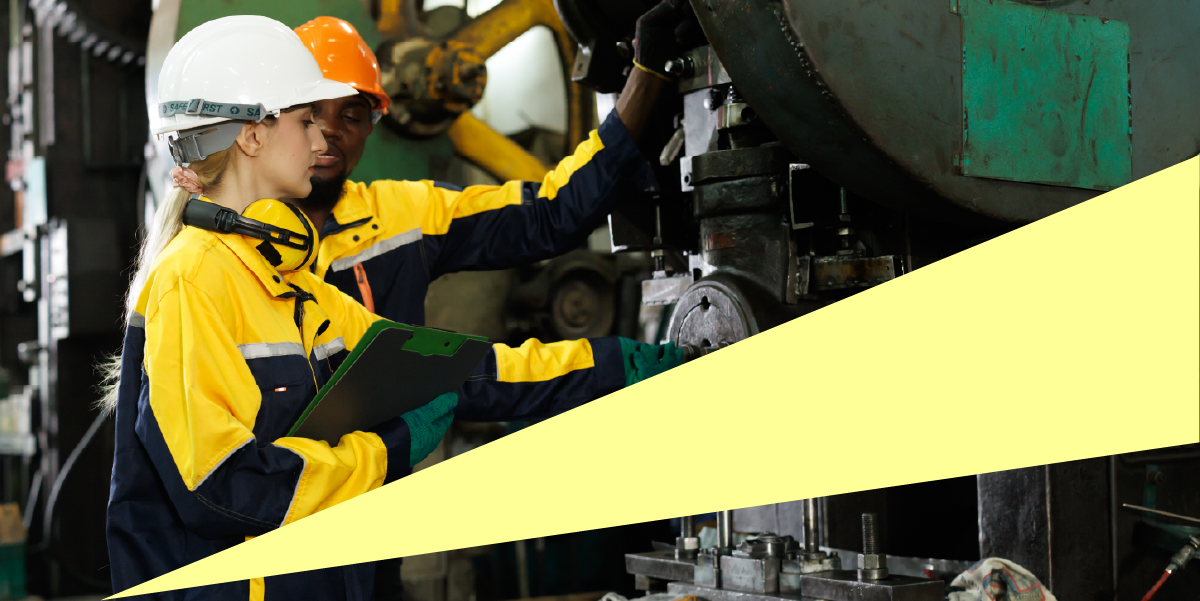
Hard skills refer to the technical, specific and measurable know-how held by employees. These are the skills directly linked to the exercise of a function: mastery of a tool, knowledge of a regulation, the ability to carry out a task reliably and accurately. Transmissible and assessable, they can be validated by recognised certifications that constitute objective reference points for managers and L&D teams.
Developing hard skills produces concrete effects on individual and collective performance: improved professional effectiveness, better time management, reduced operational errors and facilitated access to role or career development opportunities. For the organisation, it is the guarantee of remaining competitive in the face of market developments and of avoiding a gap between internal practices and operational reality.
Interpersonal Skills: A Collective Performance Lever
Soft skills are defined as the capacities to behave and interact effectively in a professional environment. Team spirit, creativity, decision-making, stress management, empathy: these personal qualities can be developed with the right support, and their impact on collective performance is real.
The WEF's Future of Jobs Report 2025 places soft skills at the heart of the most sought-after competencies by 2030: resilience, leadership, creativity and emotional intelligence feature in the top 5, ahead of technical skills. This finding illustrates the central role of these competencies in team dynamics: an employee who knows how to communicate, cooperate and adapt contributes more actively to collective performance and the achievement of shared objectives. Hard skills and soft skills are complementary: both deserve to be identified, developed and monitored with equal rigour.
Professional Training for Structuring Skills Development
Developing Teams in the Face of Rapidly Evolving Roles
Professional training is the primary lever for supporting controlled and lasting skills development. Many roles are evolving rapidly under the influence of new technologies: employees and managers must regularly update their know-how to remain in phase with the realities of their field and the demands of the market.
Giving employees the opportunity to be active participants in their own development is an investment in the long-term performance of the organisation. Identifying individual training needs, connecting them to the organisation's objectives and then designing adapted pathways: it is this structured approach that gives training its full operational value. Field training is a concrete means of updating teams' hard skills and transmitting new know-how directly grounded in their professional reality.
Monitoring and Evaluating the Effectiveness of Training
Offering training is not enough. For it to produce a real and measurable impact, monitoring and evaluation are indispensable. A skills-tracking tool makes it possible to track the progress of each employee in real time, in a clear and traceable way. Each person can also access the platform to define their own objectives and observe their progression, which strengthens team engagement and accountability.
Evaluating the effectiveness of training requires drawing on concrete indicators: enrolment rates for programmes, pass and fail rates in assessments, the level of employee satisfaction and engagement, and the qualitative evolution of tasks carried out after training. Systematised feedback, integrated into the tracking tool, makes it possible to collect this data regularly and use it to continuously adjust programmes, staying as close as possible to the real needs of teams.
Developing Soft Skills With the Right Levers
Formats Suited to Interpersonal Skills
Soft skills are not developed through formal training alone. Several levers make it possible to work on them within the day-to-day operational life of teams, using accessible formats grounded in practice.
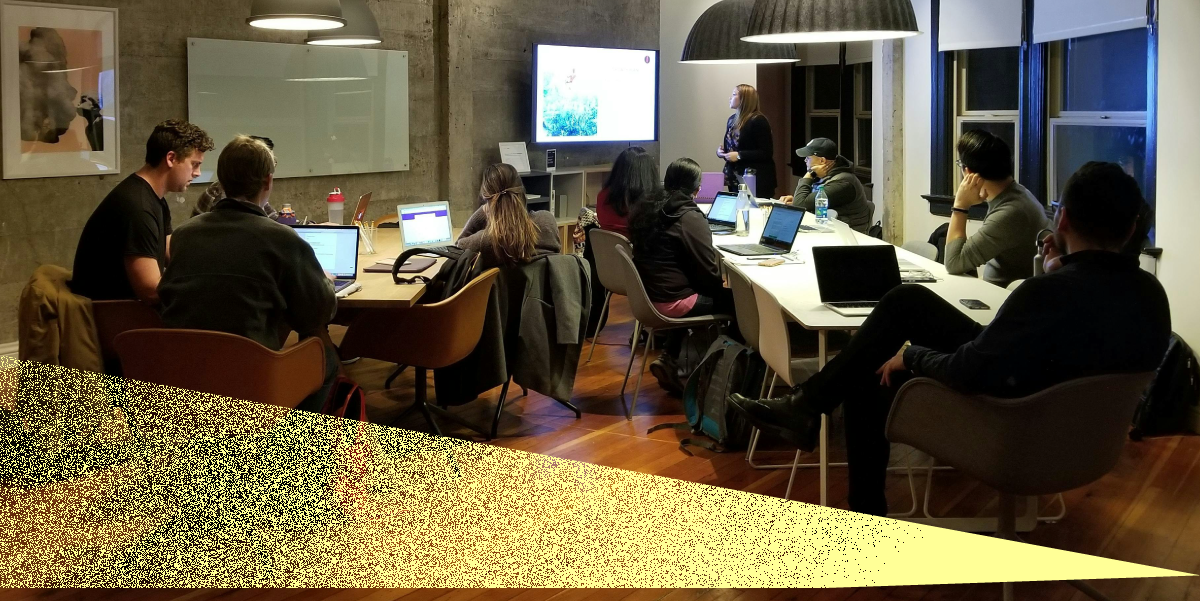
Mentoring and coaching provide a structured framework for receiving personalised feedback, progressing on specific behavioural dimensions and drawing on the experience of seasoned professionals. Group work encourages cooperation, experience-sharing and the development of relational competencies in concrete situations. Discussion spaces, whether formal or informal, create the conditions for collective learning in which knowledge circulates naturally between employees.
Integrating Soft Skills Into an Overall Competency Strategy
Treating soft skills with the same rigour as hard skills means building teams that are both technically competent and humanly resilient. The challenge for managers and L&D teams is to identify, assess and develop them within the framework of a coherent competency strategy: a development plan that covers both dimensions, has reliable data for steering progression and gives every employee clear visibility over their development areas and career prospects.